


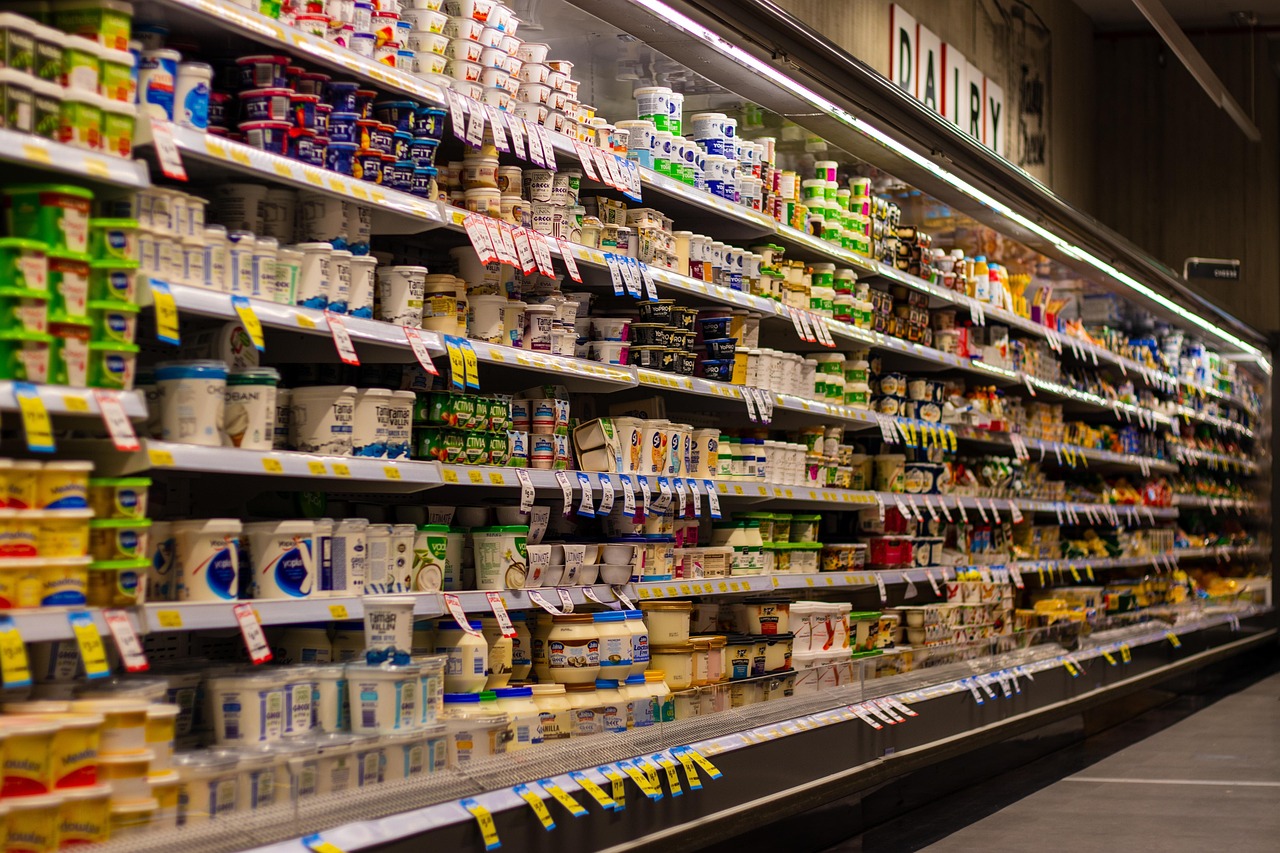
Price changes are one of the biggest challenges retailers face. Whether it’s adjusting to market trends, responding to competitors, or updating seasonal promotions, the process can be time-consuming and error-prone. Fortunately, modern retail technology offers solutions that make these adjustments faster, easier, and more accurate.
Here are five tools that help retailers streamline price changes and reduce the stress that comes with them.
Label Technology for Fast and Accurate Printing
One of the most practical tools for managing price changes is label technology, specifically label printers designed for retail use. These printers allow staff to quickly produce shelf and product labels that reflect updated prices, promotions, or product details. Instead of relying on outsourced printing or slow manual processes, retailers can generate labels on demand, ensuring that changes are implemented immediately.
Modern label printers are compact, reliable, and capable of producing high-quality labels that stand up to daily wear in busy store environments. They also integrate with pricing systems, so staff can print labels directly from updated databases without retyping information. This reduces errors and ensures that customers always see the correct price. For retailers, the ability to print labels quickly translates into smoother operations, less wasted time, and greater confidence in pricing accuracy.
Centralized Pricing Software for Consistency
Managing prices across multiple locations can be complicated. Centralized pricing software solves this by allowing retailers to control all price changes from one platform. This ensures consistency, whether you’re running a nationwide chain or a regional store network. The software also provides analytics, helping retailers understand how price adjustments affect sales. With automated rules and alerts, managers can quickly respond to market shifts without worrying about inconsistencies between stores.
Another advantage is the ability to roll out promotions instantly across all branches. Instead of relying on individual store managers to make updates, headquarters can push changes in real time. This not only saves time but also ensures that every customer, regardless of location, experiences the same pricing strategy. In a competitive market, consistency is key to maintaining brand credibility.
Dynamic Pricing Tools for Real-Time Adjustments
Dynamic pricing tools use algorithms to adjust prices based on demand, competition, and inventory levels. For example, if a product is selling quickly, the system can raise the price slightly to maximize profit. If sales slow down, it can lower the price to encourage purchases. This real-time flexibility helps retailers stay competitive while optimizing margins.
Dynamic pricing is especially useful in industries like grocery, fashion, and electronics, where market conditions change rapidly. Retailers can also use these tools to respond to online competitors, ensuring they remain attractive to price-sensitive shoppers. By automating these adjustments, businesses can focus on strategy rather than manual updates, making pricing smarter and more responsive.
Mobile Apps for Staff Efficiency
Retail staff often spend valuable time walking aisles to update prices. Mobile apps designed for price management reduce this burden. Employees can scan products, confirm updates, and make changes directly from their smartphones or tablets. These apps also integrate with back-end systems, ensuring that in-store prices match online listings.
By empowering staff with mobile tools, retailers can speed up the process and improve accuracy, all while reducing stress on employees. This not only saves time but also boosts morale, as staff can focus on customer service rather than repetitive tasks. In today’s retail environment, efficiency and accuracy are critical, and mobile apps deliver both.
Analytics Platforms for Smarter Decisions
Price changes shouldn’t be made blindly. Analytics platforms give retailers the insights they need to make smarter decisions. These tools track customer behavior, sales trends, and competitor activity, providing data-driven recommendations for pricing strategies. Retailers can see which promotions are most effective, which products are sensitive to price changes, and how adjustments impact overall revenue.
With clear insights, managers can make confident decisions that balance profitability with customer satisfaction. Analytics also help identify long-term trends, allowing businesses to plan ahead rather than react to sudden changes. By combining data with technology, retailers can create pricing strategies that are both proactive and effective.
Conclusion
Price changes don’t have to be a headache. With tools like label technology for fast printing, centralized pricing software, dynamic pricing systems, mobile apps, and analytics platforms, retailers can simplify the process and stay ahead of the competition.
By embracing practical solutions and data-driven strategies, businesses can ensure accuracy, efficiency, and customer trust—all while saving time and reducing stress. In today’s fast-moving retail environment, these tools are no longer optional; they’re essential for success.
