


Every time you press the brake pedal, you’re performing a small miracle of physics. In a matter of seconds, a two-ton vehicle traveling at highway speed slows to a safe stop—all because of a perfectly coordinated system of parts working together. Most drivers don’t think much about how their brakes actually work until something goes wrong. But understanding the science behind braking can make you a safer, more informed driver—and help you appreciate just how crucial regular maintenance is.
Your brakes are more than just car parts; they’re your vehicle’s most important safety system. Let’s take a closer look at how they do their job, what can go wrong, and how you can make sure they keep protecting you every time you hit the road.
Converting Motion into Safety
At its core, braking is all about energy conversion. When your car is moving, it carries what’s called kinetic energy—the energy of motion. When you hit the brakes, that energy doesn’t just disappear. It gets converted into heat through friction. The brake pads press against the metal rotors (or drums, in some vehicles), generating friction that slows the wheels. This process creates a tremendous amount of heat—often several hundred degrees Fahrenheit—but modern brake materials are designed to handle it.
That’s why the components in your braking system need to be precisely engineered. Pads and rotors must withstand repeated heating and cooling without cracking or losing grip. Even a small amount of wear can affect stopping distance. It’s a delicate balance: too much friction can cause overheating, while too little can make your brakes feel weak or spongy.
Every press of the brake pedal is a transfer of power—from your foot to hydraulic fluid, to mechanical pressure, and finally, to the wheels. It’s fast, invisible, and reliable, as long as everything is maintained properly.
Understanding the Parts That Make It Happen
A typical braking system has four main players: the brake pedal, master cylinder, brake lines, and the brakes themselves—pads, rotors, and calipers. When you press the pedal, it activates the master cylinder, which pushes hydraulic fluid through the brake lines. This fluid is what allows force to travel evenly to all four wheels.
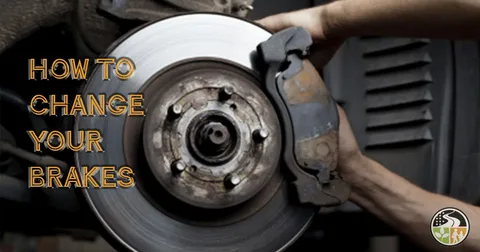
The calipers, which sit around the rotors, act like clamps. They squeeze the brake pads against the spinning metal discs attached to your wheels. This friction slows down the wheel’s rotation, eventually bringing your car to a stop. The smoother this process, the more control you have over your vehicle.
There’s also a backup system called the parking brake or emergency brake, which works mechanically instead of hydraulically. It’s a last line of defense in case of brake failure and also helps keep your car from rolling when parked on a hill. Together, these systems create a safety net that most of us never even think about—until we need it most.
When Physics Meets Performance
Even though braking relies on simple physical principles, the way those principles are applied can make a huge difference in performance. For instance, vehicles with anti-lock braking systems (ABS) use sensors and computers to prevent the wheels from locking up during a sudden stop. This allows you to maintain steering control while braking hard, especially on slippery roads.
Temperature also plays a major role. When brakes get too hot—say, during mountain driving or stop-and-go traffic—they can fade, meaning they lose effectiveness. Modern brake systems use vented rotors, heat-resistant materials, and advanced fluids to manage that heat. Still, regular inspections are key to catching wear before it leads to reduced performance.
The condition of your tires, too, directly affects braking. Even the best brakes can’t compensate for bald or underinflated tires. Brakes can stop the wheels from turning, but it’s the tires that actually stop the car by gripping the road. So, maintaining both systems together ensures optimal safety and shorter stopping distances.
How Regular Maintenance Keeps Brakes Reliable
Brakes work hard every time you drive, so they naturally wear out over time. That’s why routine maintenance—like a professional brake service—is essential. Mechanics inspect key components like pads, rotors, and brake fluid levels to make sure everything functions as it should. They’ll also look for leaks in the brake lines and test the responsiveness of the pedal.
Replacing brake pads before they wear down too much can prevent more expensive damage to the rotors. Similarly, flushing old brake fluid every couple of years keeps your hydraulic system clean and responsive. Ignoring these steps can lead to uneven braking, grinding noises, or even total brake failure in extreme cases.
Think of your brakes like a safety investment. You may not see immediate returns, but they’re working quietly to protect you, your passengers, and everyone else on the road.
Listening to What Your Brakes Are Telling You
Your car often gives you warning signs when something’s wrong with the brakes—you just need to know how to listen. A high-pitched squeal usually means the brake pads are wearing thin. A grinding sound might mean they’re already worn down completely. If your steering wheel shakes when braking, your rotors could be warped. And if the brake pedal feels soft or goes too far down, there could be a problem with the hydraulic system.
Addressing these issues early can prevent dangerous situations later. Regular inspections and paying attention to how your brakes feel are the easiest ways to stay ahead of problems. The more familiar you are with how your car normally behaves, the easier it is to notice when something’s off.
Stopping Power, Simplified
Behind every smooth stop is a combination of physics, engineering, and maintenance that keeps you safe without you ever having to think about it. Your braking system doesn’t just respond to your foot—it responds to science, transferring energy and managing heat in a precise balance every time you drive.
Keeping that system in top shape through routine checkups ensures that it can always perform when it matters most. So, the next time you ease to a stop at a red light or brake suddenly to avoid a hazard, remember what’s happening beneath your feet. It’s not just your car slowing down—it’s the science of safety in motion.
