


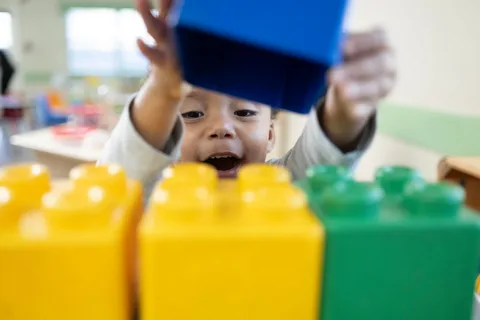
Early childhood is a crucial period for mental, emotional, and physical growth. As more families rely on childcare services, it’s important to understand how daycare supports early childhood development. Quality daycare programs do more than just watch over children—they actively contribute to their learning and development in meaningful ways.
The Role of Daycare in Learning and Socialization
One of the most important benefits of daycare is the opportunity it provides for early learning. Children are naturally curious, and daycare centers often have structured programs that introduce them to basic academic concepts like colors, shapes, numbers, and letters. These foundational lessons prepare them for kindergarten and beyond.
Daycare also fosters social development. In a group setting, children learn how to share, take turns, resolve conflicts, and communicate their needs—skills that are essential throughout life. This social environment plays a key role in shaping their emotional intelligence.
Cognitive and Language Development
Another way daycare supports early childhood development is by encouraging cognitive growth and language skills. Caregivers often engage children in storytelling, singing, and conversation, which help expand vocabulary and comprehension. Activities like puzzles, games, and crafts stimulate problem-solving and fine motor skills.
In high-quality daycare programs, staff members are trained to recognize developmental milestones and offer age-appropriate challenges to help children grow at their own pace.
Emotional Security and Independence
While some parents worry about separation anxiety, daycare can actually help children become more emotionally secure over time. With consistent caregivers and daily routines, children develop a sense of trust and stability. They also learn to be independent—putting on their own shoes, washing hands, or managing simple tasks builds confidence and resilience.
This emotional and behavioral growth is yet another reason how daycare supports early childhood development in the long term.
Health, Nutrition, and Physical Activity
Many daycare centers follow nutrition guidelines to provide healthy meals and snacks, helping establish good eating habits early on. Regular physical activity through outdoor play or indoor movement sessions supports physical development and motor coordination.
The emphasis on hygiene, cleanliness, and health routines also teaches children important habits that benefit them throughout their lives.
Parental Support and Community Connection
Daycare isn’t just beneficial for children—it also supports parents. It offers peace of mind knowing that children are in a safe, nurturing, and educational environment. Many centers also provide updates, progress reports, and parenting tips, creating a partnership that extends into the home.
This community connection reinforces how daycare supports early childhood development by involving both educators and families in a child’s growth.
Final Thoughts
Understanding how daycare supports early childhood development helps parents make informed decisions about their childcare choices. With the right environment, children not only thrive academically but also grow socially, emotionally, and physically—setting the stage for a successful future.
