


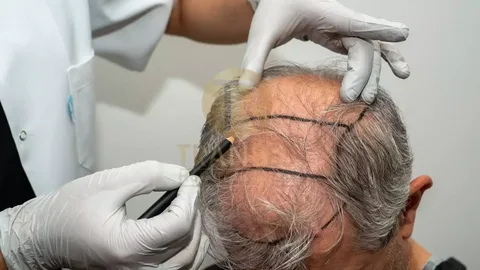
Hair loss can impact confidence and self-esteem, prompting many individuals to explore hair restoration solutions. Among these, hair transplants have emerged as a popular and effective option. However, not everyone is an ideal candidate for this procedure. Understanding who can benefit the most is crucial for achieving optimal results.
Understanding Hair Transplantation
A hair transplant is a surgical procedure that involves moving hair follicles from a donor area, typically the back or sides of the scalp, to areas experiencing thinning or balding. Modern techniques, such as Follicular Unit Extraction (FUE) and Follicular Unit Transplantation (FUT), have made the process less invasive with natural-looking results.
Factors Determining the Ideal Candidate
Age and Hair Loss Stage
One of the first considerations in determining who is suitable for a hair transplant is age. Ideally, candidates should be over 25, as hair loss patterns may not be fully established in younger individuals. Transplants performed too early may result in unnatural hair distribution as hair loss progresses.
Donor Hair Quality and Density
The success of a hair transplant largely depends on the quality and density of donor hair. Individuals with thick, healthy hair at the back or sides of the scalp are more likely to achieve successful outcomes. Poor donor hair quality or insufficient density can limit the results.
Health Conditions
Overall health is a significant factor in hair transplant eligibility. Individuals should be free from conditions that impair wound healing or increase the risk of surgical complications. Chronic illnesses, autoimmune disorders, or certain medications may affect candidacy.
Who Is the Ideal Candidate for a Hair Transplant?
The ideal candidate for a hair transplant is someone experiencing noticeable hair thinning or bald patches, with good donor hair availability, and in generally good health. Men with male-pattern baldness or women with thinning hair due to genetic factors often fit this profile. Candidates should also have realistic expectations, understanding that the procedure restores hair but may not completely replicate the density of youthful hair.
Psychological Readiness
Beyond physical suitability, psychological readiness plays a crucial role. Candidates must be prepared for the recovery process and understand that results appear gradually over several months. Managing expectations ensures satisfaction with the final outcome.
Conclusion
Hair transplant can be a life-changing procedure, but it’s not suitable for everyone. Asking, “Who is the ideal candidate for a hair transplant?” involves considering age, hair quality, health, and psychological readiness. Individuals who meet these criteria are most likely to enjoy successful results and regain their confidence through restored hair.
