


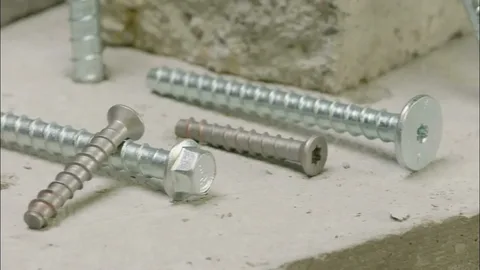
Masonry projects, whether residential or commercial, require reliable fastening solutions to ensure safety, durability, and efficiency. One solution that has gained significant popularity among builders and DIY enthusiasts alike is the use of concrete screws. In this article, we will dive deep into Concrete Screws Explained: The Ultimate Fastening Solution for Masonry Projects, covering their benefits, applications, and installation tips.
What Are Concrete Screws?
Concrete screws are specially designed fasteners that securely anchor objects to concrete, brick, or block surfaces. Unlike traditional anchors that require adhesives or expansion mechanisms, concrete screws cut threads directly into the masonry, providing a strong, vibration-resistant hold. They are typically made from hardened steel and often coated to resist corrosion, making them ideal for both indoor and outdoor use.
Advantages of Using Concrete Screws
Understanding Concrete Screws Explained: The Ultimate Fastening Solution for Masonry Projects involves recognizing the key advantages they offer:
-
Ease of Installation: Concrete screws do not require chemical adhesives or bulky expansion anchors. Pre-drill a pilot hole and drive the screw in using a standard drill or impact driver.
-
High Load Capacity: Thanks to their threaded design, concrete screws provide superior holding power compared to nails or simple plastic anchors.
-
Reusability: Many concrete screws can be removed and reused without damaging the base material, making them a cost-effective choice.
-
Versatility: From mounting shelving and fixtures to securing structural components, concrete screws can handle a wide range of masonry projects.
Common Applications of Concrete Screws
Concrete screws are versatile and can be used in a variety of scenarios:
-
Securing metal brackets and frames to concrete walls
-
Installing electrical boxes or conduits
-
Anchoring shelving units in garages or warehouses
-
Fastening exterior fixtures such as lights and signage
-
Supporting heavy machinery or structural components
In every case, the use of concrete screws ensures a secure and long-lasting connection.
Tips for Proper Installation
To maximize the performance of concrete screws, follow these essential steps:
-
Choose the Right Screw Size: Match the screw diameter and length to the weight and material requirements of your project.
-
Drill an Accurate Pilot Hole: Use a carbide-tipped masonry bit slightly smaller than the screw diameter.
-
Clean the Hole: Remove dust and debris to ensure maximum thread engagement.
-
Drive the Screw Slowly: Avoid overtightening to prevent cracking the masonry.
By following these steps, you can leverage the full benefits of concrete screws and ensure a durable, professional-grade finish.
Conclusion
When it comes to reliable fastening in masonry projects, Concrete Screws Explained: The Ultimate Fastening Solution for Masonry Projects offer unmatched strength, convenience, and versatility. Whether you are a professional contractor or a DIY enthusiast, incorporating concrete screws into your toolkit ensures secure and long-lasting results for all your masonry applications.
