


Cloud gaming is becoming a dominant force in 2026. Instead of relying on high-end hardware, players can stream games directly from powerful servers. This allows gamers to enjoy high-quality graphics and smooth gameplay on devices such as smartphones, laptops, tablets, and smart TVs.
The improvement of internet infrastructure, including faster broadband and 5G connectivity, significantly reduces latency issues. As a result, online multiplayer games feel more responsive and stable. Players no longer need to download massive game files or worry about storage limits. Accessibility and convenience make cloud gaming one of the strongest trends shaping the future of the industry.
Artificial Intelligence Enhancing Game Experiences
Artificial intelligence continues to transform how games are developed and experienced. In 2026, AI goes beyond basic enemy behavior. It now powers dynamic storytelling, realistic character interactions, and adaptive gameplay systems.
Modern games can analyze player decisions and adjust difficulty levels automatically. Non-playable characters respond intelligently, making interactions feel more natural. AI-driven procedural generation also creates unique maps, missions, and scenarios, ensuring that each gaming session feels different.
On the development side, AI tools help studios detect bugs, test gameplay balance, and optimize performance more efficiently. This reduces production time while improving overall quality. The result is a more immersive and personalized gaming experience for players.
Virtual Reality and Augmented Reality Expansion
Virtual Reality and Augmented Reality are becoming more mainstream in 2026. VR headsets are lighter, more comfortable, and equipped with sharper displays. Motion tracking systems are more precise, creating highly immersive environments that make players feel physically present inside the game world.
AR technology blends digital content into real-world environments through mobile devices and wearable technology. This opens new possibilities for interactive experiences beyond traditional screens. Social VR platforms and immersive multiplayer environments are growing rapidly, allowing players to connect in virtual spaces in more meaningful ways.
As hardware costs gradually decrease, adoption spaceman slot rates continue to rise. VR and AR are no longer niche technologies but major components of the modern gaming ecosystem.
Next-Generation Graphics and Realism
Visual quality continues to improve dramatically in 2026. Real-time ray tracing technology enhances lighting, shadows, and reflections, creating more realistic environments. Higher frame rates and 4K resolution are becoming common expectations rather than premium features.
Advanced graphics engines allow developers to design expansive open worlds with detailed textures, dynamic weather systems, and lifelike character animations. These visual advancements deepen immersion and emotional engagement.
Players increasingly expect cinematic experiences that blur the line between games and films. The demand for realism continues to push hardware and software innovation forward.
Cross-Platform Integration and Seamless Connectivity
Cross-platform gaming is now a standard feature in many popular titles. Players can compete or cooperate across different devices, including consoles, PCs, and mobile platforms. This flexibility strengthens online communities and increases engagement.
Cross-progression systems allow gamers to switch devices without losing progress. Achievements, items, and saved data remain synchronized across platforms. This seamless integration reflects the modern lifestyle, where users move between devices throughout the day.
Connectivity and convenience are key factors driving this trend. Gaming is becoming more accessible than ever before.
Blockchain and Digital Asset Evolution
Digital ownership is another emerging trend in 2026. Some slot 10k developers are exploring blockchain-based systems that allow players to securely own and trade in-game assets. While still evolving, this technology introduces new economic models within virtual worlds.
Improved transparency and security mechanisms are addressing earlier concerns about fairness and sustainability. Although not universally adopted, digital asset systems may reshape how players interact with virtual economies in the future.
The Continued Expansion of Esports
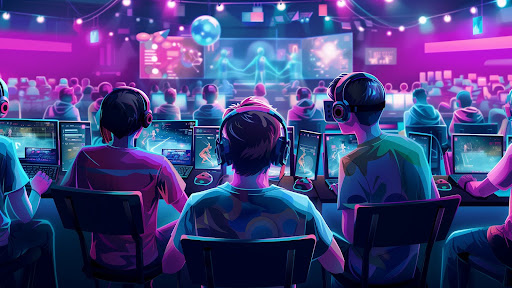
Esports continues to grow as a global competitive industry. Major tournaments attract millions of viewers worldwide, both online and offline. Professional players use advanced data analytics to refine strategies and improve performance.
Streaming platforms enhance viewer engagement with interactive features and real-time statistics. Competitive gaming is now recognized as a legitimate career path and entertainment sector.
Gaming technology trends in 2026 focus on innovation, accessibility, and immersion. Cloud gaming removes hardware barriers, artificial intelligence personalizes experiences, VR and AR expand interactive possibilities, and advanced graphics deliver unprecedented realism. Cross-platform systems connect players globally, while digital ownership introduces new economic opportunities.
As these technologies continue to evolve, the gaming industry remains one of the most dynamic and fast-growing sectors in digital entertainment.
