


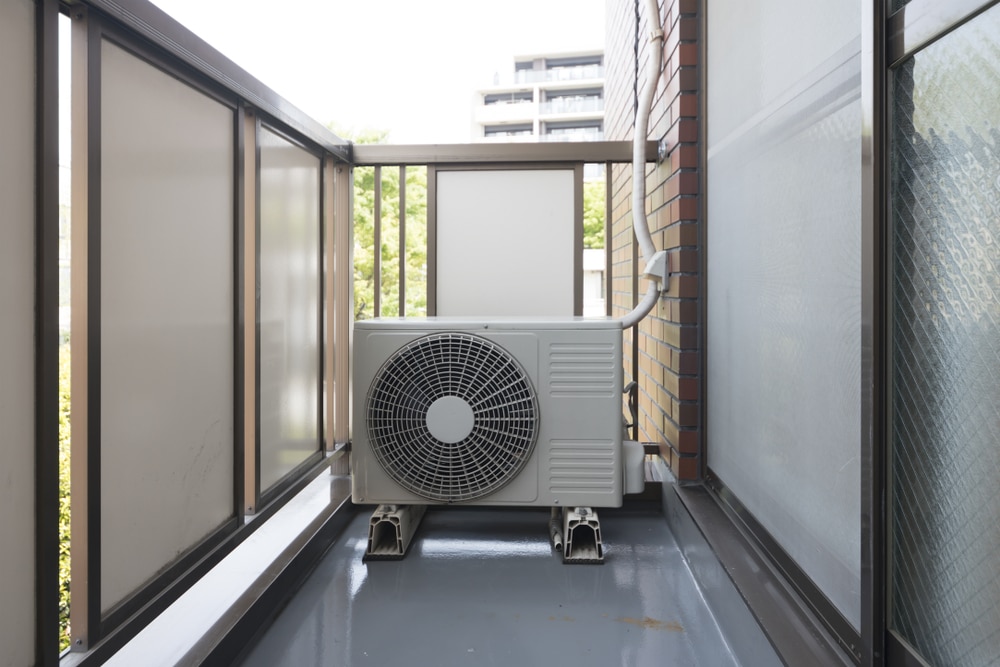
When it comes to cooling your home, choosing between portable air conditioner and central air systems can be a tough decision. Both have their advantages and drawbacks, depending on your needs, the layout of your space, and your budget. In this article, we’ll dive into the differences between portable vs. central air, helping you determine which is the best solution for your living environment.
What Is Central Air?
Central air conditioning is a whole-house cooling system that uses a network of ducts to distribute cool air to every room. This system relies on a central unit, typically located outside or in a basement, that cools the air and sends it through a series of vents installed throughout the home.
Benefits of Central Air
- Whole-House Cooling: Central air ensures that every room in your home is kept at a comfortable temperature.
- Energy Efficient: If your home is well-insulated, central air can cool larger spaces more efficiently than individual portable units.
- Convenience: Central air is controlled by a thermostat, which allows for easy, automated temperature management.
- Improved Air Quality: Many central air systems come with filters that help remove dust, allergens, and pollutants from the air.
Disadvantages of Central Air
- High Initial Cost: Installing central air can be expensive, particularly if your home doesn’t already have ductwork.
- Invasive Installation: The installation process may require extensive modification to your home, such as adding ducts or upgrading electrical systems.
- Higher Operating Costs: Central air can consume a significant amount of energy, leading to higher utility bills, especially if your home is large or poorly insulated.
What Is a Portable Air Conditioner?
A portable air conditioner (AC) is a self-contained, movable unit that cools a single room. It typically uses a vent hose to expel warm air out of a window. Unlike central air, it doesn’t require any permanent installation or ductwork.
Benefits of Portable Air Conditioners
- Lower Initial Cost: Portable air conditioners are usually much more affordable than central air systems, both in terms of purchase and installation.
- Flexibility and Portability: These units can be moved from room to room, allowing you to cool only the areas that you use most.
- Easy Installation: There’s no need for complex installation. Just set it up near a window and plug it in.
- Ideal for Small Spaces: If you live in an apartment or have a small room, a portable air conditioner can be a great way to cool your space without the need for extensive cooling.
Disadvantages of Portable Air Conditioners
- Limited Coverage Area: Portable AC units are only effective for small spaces, so they may not be a good option for larger homes or open-concept layouts.
- Noise: Most portable air conditioners tend to be louder than central air systems, which may be disruptive in a quiet environment.
- Energy Efficiency: While portable units are typically more energy-efficient than older central systems, they can still lead to higher energy consumption compared to smart, modern central air systems.
Factors to Consider When Choosing Between Portable vs. Central Air
When deciding between portable vs. central air, several factors should influence your choice:
1. Size of Your Space
Central air is often the better choice for larger homes, especially if you want consistent cooling throughout multiple rooms. On the other hand, a portable air conditioner is ideal for smaller spaces, like apartments, studio apartments, or a single room where you only need to cool one area.
2. Budget
If you’re on a tight budget, a portable air conditioner offers a much more affordable solution. The upfront cost is typically much lower than the installation of central air, which requires significant investment. Keep in mind that running a portable AC might cost more in energy bills depending on your usage.
3. Installation Considerations
Central air requires professional installation, which can be costly and time-consuming, especially if your home isn’t already equipped with ductwork. Portable air conditioners, however, are very easy to set up, making them an appealing option for renters or people who do not want to make permanent changes to their living space.
4. Energy Efficiency
Central air systems, particularly newer, energy-efficient models, tend to be more efficient for cooling larger spaces. Portable air conditioners, while convenient, are generally more energy-hungry for the amount of space they cover. If energy efficiency is a key consideration for you, central air might be a better long-term investment.
5. Long-Term Needs
Think about how long you plan to stay in your current space. If you’re renting or living in a temporary situation, a portable air conditioner may be the better option since it can easily be moved when you relocate. If you own your home and plan on staying for the long haul, installing central air could provide long-term comfort and convenience.
Conclusion: Portable vs. Central Air—Which Is Right for You?
In the debate of portable vs. central air, the right choice ultimately depends on your specific needs and circumstances. For those looking for an affordable, temporary, and flexible solution for small spaces, a portable air conditioner may be the best fit. However, if you’re seeking a long-term, whole-home cooling solution with greater efficiency and convenience, central air is likely the way to go.
