


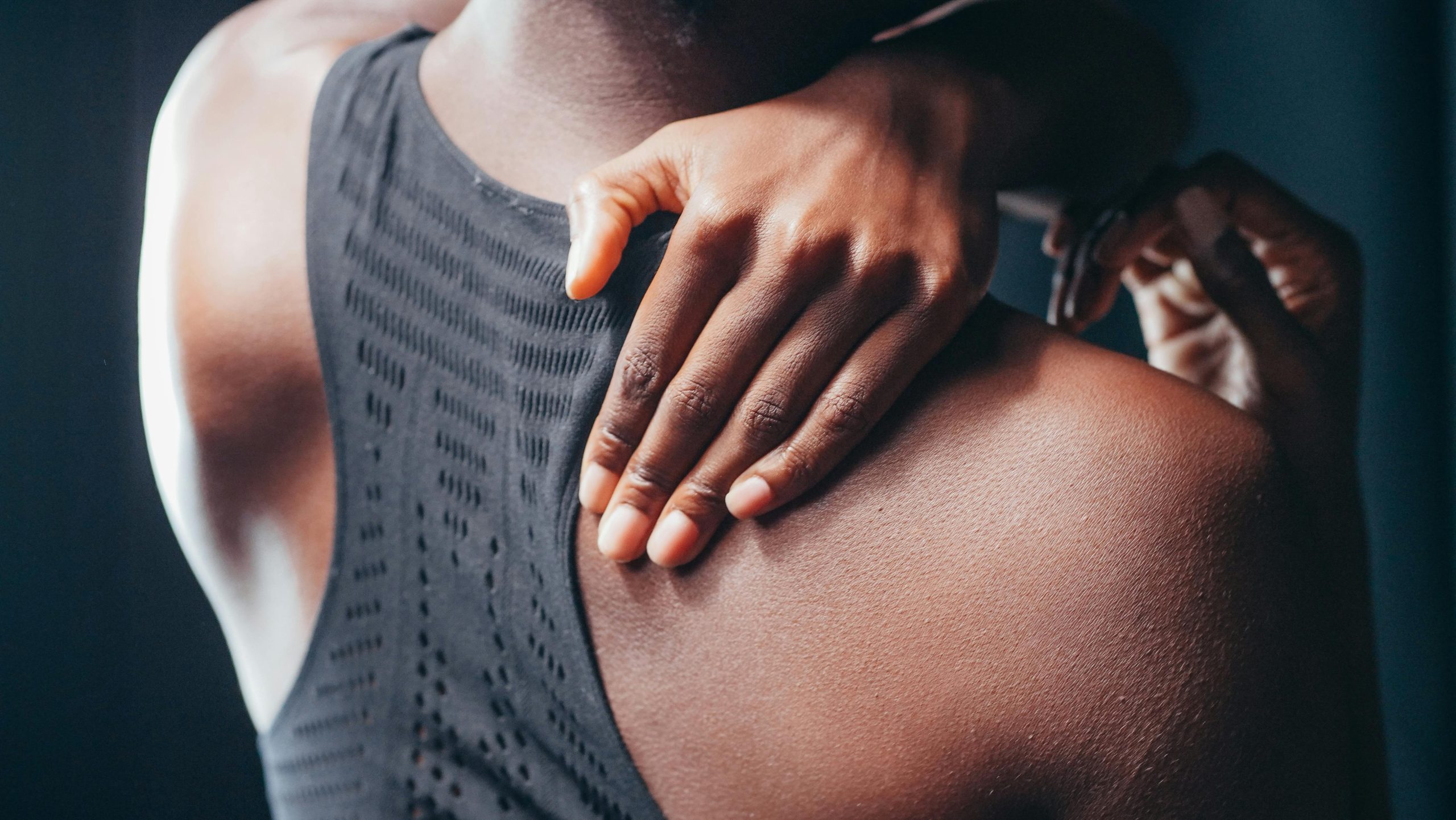
Shoulder replacement surgery can feel like a big step—one that comes with a mix of relief, curiosity, and a little uncertainty about what comes next. For many people, the question isn’t just “Will I heal?” but “Will I ever get back to the activities I love?” Whether that means playing a round of golf, swimming laps, gardening, or even just tossing a ball with your kids, the answer is often yes—with time, patience, and guidance. This blog explores what recovery looks like for active people after surgery and how to safely ease back into sports and hobbies.
If you’re curious about how specialists approach recovery and rehabilitation, South Shore Health offers comprehensive orthopedic care, including shoulder replacement surgery, where surgeons and physical therapists work together to restore comfort and function.
Rebuilding Confidence After Surgery
In the early weeks after surgery, it’s normal to feel cautious—or even anxious—about moving your arm again. The shoulder is one of the body’s most mobile joints, which also makes it one of the trickiest to rehabilitate. Early on, your goal isn’t to rush back to your favorite hobby—it’s to rebuild trust in your new shoulder. That means focusing on small, deliberate movements under your doctor’s or therapist’s supervision.
During this phase, simple activities like brushing your hair, dressing yourself, or lifting a light object can feel like milestones. Each success builds confidence. Think of this period as your “training camp” for everyday life. Once your shoulder starts moving freely and your pain improves, you can start thinking about more dynamic activities—but only with your surgeon’s approval.
Listening to Your Body (and Your Doctor)
Every recovery is different, and so is every sport. Golfers, swimmers, tennis players, and gardeners all rely on their shoulders in different ways. That’s why your medical team will personalize your rehabilitation timeline. Most people can begin low-impact activities like walking or stationary cycling fairly soon, but returning to upper-body movements requires a slower, more mindful pace.
It’s important to understand that “pain-free” doesn’t always mean “ready.” Scar tissue, weak muscles, or poor mechanics can lead to re-injury if you push too fast. Your doctor and physical therapist will guide you through strengthening and stretching routines designed to improve stability and coordination. These sessions teach your muscles to support the new joint properly, reducing the strain on the artificial implant. Patience here pays off—by moving deliberately, you protect your progress.
Finding Your New Normal in Sports and Recreation
Returning to sports after shoulder replacement doesn’t mean going back to the exact same intensity as before. It’s about rediscovering movement with a new sense of balance and care. Most surgeons recommend waiting around four to six months before resuming light recreational activities, but timing varies based on your condition, age, and how your body heals.
Many patients find they enjoy their hobbies even more after recovery because they can move without chronic pain. Golf swings become smoother. Swimming feels freer. Gardeners can dig, prune, and plant without wincing. Some sports—like contact football or heavy weightlifting—may remain off-limits to protect the artificial joint, but alternatives often exist. A physical therapist can suggest modified techniques or adaptive exercises to help you stay active safely.
Remember, the goal isn’t to match your old performance—it’s to redefine success in a way that keeps you healthy and happy. Even simple joys, like walking the dog or dancing at family gatherings, count as victories when you’ve been through major surgery.
The Role of Physical Therapy in Returning to Activity
Physical therapy is the bridge between surgery and normal life. In the first weeks, therapy focuses on gentle range-of-motion exercises to keep the shoulder from stiffening. Over time, the program expands to include strengthening, balance, and coordination work. These sessions train the shoulder muscles to support your new joint in everyday movements and athletic motions.
What makes therapy so effective isn’t just the exercises—it’s the feedback. A good therapist will help you recognize the difference between healthy soreness and harmful pain. They’ll adjust your routine if something feels off, ensuring that progress is steady rather than rushed. Many people who follow through with therapy notice improved posture, smoother motion, and more confidence when returning to their chosen activity.
If you ever feel frustrated by the pace of progress, remember: your shoulder spent years adapting to discomfort before surgery. Giving it a few months to relearn healthy movement is a small price for long-term freedom from pain.
Enjoying Life Beyond the Operating Room
Once you’re fully cleared to resume your activities, the focus shifts from recovery to maintenance. Keeping your shoulder strong and flexible is the best way to preserve your results. That means continuing light resistance exercises, practicing good posture, and staying aware of your body’s limits. Warm up before sports, cool down afterward, and avoid repetitive motions that strain the joint.
Many people are surprised by how capable they feel after shoulder replacement surgery. It’s not just about fixing a joint—it’s about getting your life back. The first time you throw a ball, cast a fishing line, or carry groceries without pain can be deeply rewarding. The surgery may change your shoulder, but it doesn’t have to change who you are.
Conclusion
Returning to sports or hobbies after shoulder replacement is more than a medical milestone—it’s a personal triumph. The journey requires patience, discipline, and trust in your medical team, but the rewards are worth every step. With modern surgical techniques, expert care, and commitment to rehabilitation, most people can enjoy active, fulfilling lives long after surgery.
So when you finally grip that tennis racket, swing that golf club, or dive into the pool again, remember—you didn’t just recover your shoulder. You reclaimed your movement, your confidence, and your joy. And that’s the real victory.
