


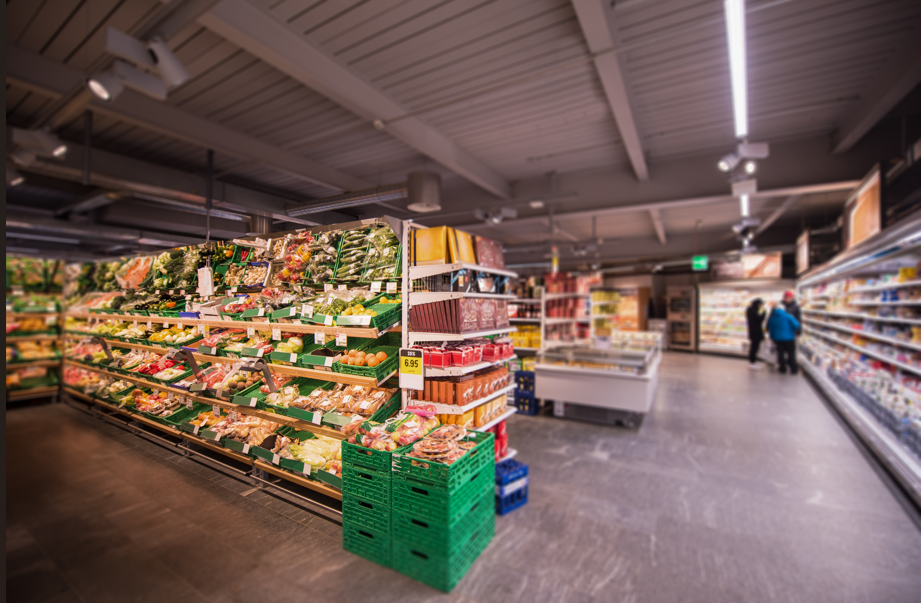
The next time you walk into a grocery store, pause for a moment and observe your surroundings. What seems like a simple shopping experience is actually the result of decades of carefully crafted design principles, all working together to influence your behavior, extend your visit, and ultimately increase what you spend. Behind the bright lighting and neatly arranged products lies a sophisticated strategy that shapes every aspect of your journey through the aisles.
The Strategic Entrance Experience
Most grocery stores position fresh produce near the entrance, creating an immediate sensory experience filled with vibrant colors and fresh scents. This isn’t accidental. Starting your shopping trip surrounded by wholesome, colorful fruits and vegetables creates a positive psychological effect, making you feel good about your shopping choices and potentially more willing to indulge in less healthy items later in your trip.
The width of the entrance area is also deliberately designed. Stores want you to slow down as you transition from the outside world into shopping mode, allowing your mind to adjust and become more receptive to the carefully curated environment ahead.
The Power of the Perimeter
Have you noticed that essential items like dairy, meat, and bread are almost always positioned along the outer walls of the store? This layout forces shoppers to walk past numerous other products to reach these staples. It’s a calculated decision that maximizes your exposure to items you might not have planned to purchase.
This perimeter strategy means that even if you only need milk and eggs, you’ll traverse a significant portion of the store, passing tempting displays and promotional items along the way. The journey becomes part of the shopping experience, increasing the likelihood of impulse purchases.
Eye-Level Optimization
The middle shelves, positioned at average eye level, are prime real estate in any grocery store. Products placed here receive maximum visibility and are easiest for shoppers to reach. These coveted spots typically feature higher-margin items or products from brands willing to pay premium placement fees.
Meanwhile, generic or store-brand alternatives often sit on lower shelves, requiring shoppers to bend down and actively search for them. Children’s products, conversely, are strategically placed at their eye level, creating a secondary target audience that can influence household purchasing decisions.
The Deliberate Path
Floor layouts are designed to guide you through the store in specific patterns. Many stores use a counterclockwise flow, which studies suggest feels more natural for most shoppers. The aisles themselves are wide enough to accommodate traffic but narrow enough to keep products within easy reach on both sides.
End caps, those displays at the end of each aisle, are particularly valuable spaces. They catch your attention during transitions between aisles and often feature seasonal items, new products, or special promotions. These high-visibility zones can significantly boost sales for featured products.
Behind the Scenes Logistics
The efficiency of grocery stores extends beyond what customers see. Behind the scenes, sophisticated logistics systems ensure that products move seamlessly from delivery trucks to store shelves. GMA pallets and standardized shipping methods help stores maintain consistent inventory levels and reduce waste, though shoppers rarely consider this invisible infrastructure that keeps shelves stocked and products fresh.
Sensory Manipulation
Grocery stores carefully control environmental factors to enhance the shopping experience. Lighting is adjusted to make products appear more appealing, particularly in produce and meat departments. Ambient music is chosen to either energize or relax shoppers depending on the time of day and desired traffic flow.
The bakery section, often positioned strategically near the entrance or center of the store, fills the air with enticing aromas that stimulate appetite and create positive associations. These sensory cues work subconsciously to keep you engaged and encourage longer browsing times.
The Checkout Psychology
Even the checkout area is carefully designed. Impulse purchase items like magazines, candy, and beverages line the waiting area, capturing the attention of customers during otherwise idle moments. Multiple checkout options, from traditional lanes to self-service stations, are positioned to minimize perceived wait times and maintain customer satisfaction even during busy periods.
Shopping With Awareness
Understanding these design strategies doesn’t necessarily mean you’ll spend less, but it does empower you to shop more consciously. Recognizing when you’re being subtly influenced allows you to make more intentional decisions about what goes into your cart. The grocery store will always be designed to encourage spending, but an aware shopper is better equipped to navigate these influences and stick to their actual needs and budget.
