


Hair loss can feel like losing a bit of yourself—your confidence, your youth, even your sense of control. But if you’ve ever worried that a hair transplant would look fake or “pluggy,” it’s time to take another look. Modern transplants have evolved far beyond the obvious, doll-like results of the past. With advanced techniques, better tools, and a refined understanding of hair growth patterns, today’s procedures are designed to restore—not just replace—your hair.
Below, we’ll explore what has changed, how surgeons achieve natural results, and why this once-taboo treatment is now embraced as a subtle, confidence-boosting art form.
Precision Has Replaced Guesswork
Early hair transplants were, frankly, easy to spot. Surgeons worked with large grafts—clusters of dozens of hairs placed in neat, unnatural rows. The result often looked more like rows of corn than a real hairline. Modern approaches are entirely different.
Today’s surgeons use micrografting and follicular unit extraction (FUE), which involve transplanting tiny groupings of one to four hairs at a time. This allows each strand to mimic how hair naturally grows on the scalp—irregularly and at varied angles. The process takes patience and artistry, but it’s that attention to small details that makes the difference between a transplant that looks “done” and one that simply looks right.
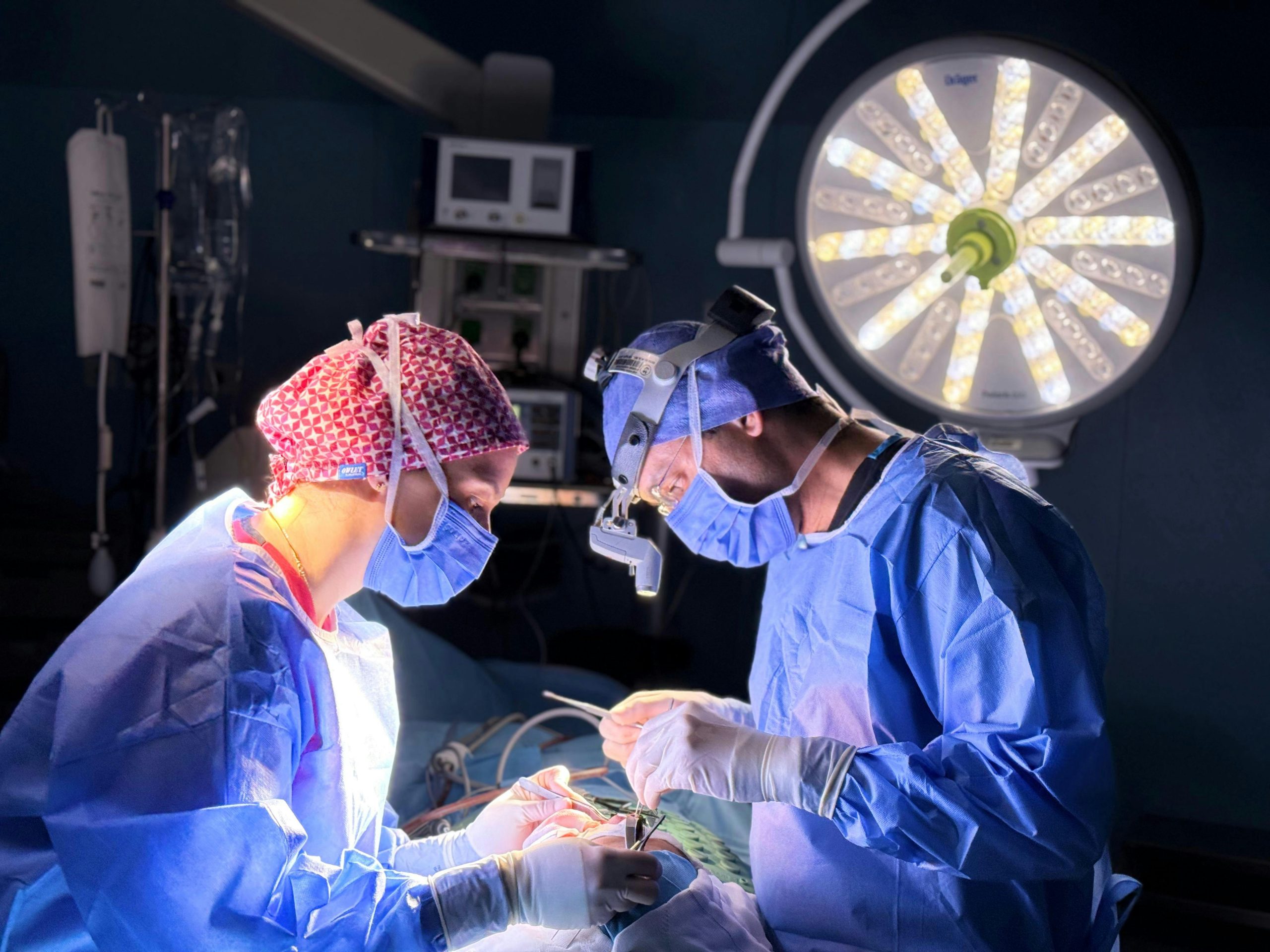
Modern technology, like high-powered magnification and robotic assistance, also ensures that hair is placed exactly where it should go. Precision tools help maintain natural density and spacing, preventing the overpacked look of older techniques.
Surgeons Design Hairlines, Not Just Fill Them
A natural hairline isn’t just a straight line of hair—it’s a soft, irregular border where density gradually increases. It frames the face, follows bone structure, and changes slightly with age. Skilled transplant surgeons understand this and treat hairline design as both a science and an art.
Before the first follicle is even transplanted, the surgeon studies facial symmetry, hair texture, and how your hair used to grow. This ensures that the restored hairline complements your features, rather than appearing drawn-on or artificial.
In fact, one of the biggest changes in modern hair restoration is personalization. No two patients receive the same design because no two heads—or stories—are the same. That level of customization is why people can go through a full restoration today and still hear, “You look great—did you get a new haircut?” instead of “Did you have something done?”
Technology Makes a Subtle Difference
The tools behind modern transplants have quietly revolutionized how results look and feel. Microneedles, robotics, and digital mapping systems now allow for extremely precise follicle placement, reducing trauma to the scalp and speeding up healing.
For example, advanced imaging can analyze the angle and depth of natural hair growth. Surgeons can then replicate those exact patterns with transplanted follicles, helping them blend seamlessly with the existing hair. Even lighting and scalp tone are considered—something that was often overlooked in older methods.
These advancements also make it possible to restore not just hairlines, but beards, eyebrows, and sideburns with equally natural-looking outcomes. In short, the technology works quietly in the background, but its results are visible every time you look in the mirror.
Healing Is Faster and Scarring Is Minimal
Part of what makes modern transplants look so natural is that there’s little to no evidence left behind. Traditional strip harvesting techniques often left a linear scar along the back of the scalp. While hidden under hair, it could still cause discomfort and limit hairstyle options.
Newer methods, especially FUE, remove individual follicles with tiny circular incisions that heal quickly and leave minimal marks—often invisible to the naked eye. This means patients can keep their hair shorter without worrying about revealing scars.
The reduced trauma also helps follicles survive better, leading to thicker, more even growth. Combined with better post-care practices, today’s results not only look natural—they grow naturally too.
Confidence Is the Most Natural Look of All
At the end of the day, what makes a hair transplant truly natural isn’t just how the hair looks—it’s how you feel wearing it. Restoring hair isn’t about vanity; it’s about recognizing yourself again in the mirror.
People who once shied away from photos or hats find themselves smiling freely again. The subtle change in appearance often brings a major change in attitude. Modern transplants aren’t designed to make you look like someone else; they’re meant to help you feel like yourself again. That’s what makes the transformation so believable—and so powerful.
The Art and Science of Looking Natural
Hair transplant technology has come a long way from its early days. What was once a medical procedure focused on filling empty spaces has evolved into a delicate blend of precision, design, and artistry. By understanding natural growth patterns, using cutting-edge tools, and treating every patient as unique, today’s surgeons can create results that look—and feel—authentic.
If you’ve been hesitant because you fear unnatural results, know that those concerns belong to the past. Modern hair restoration has entered an era where science and aesthetics meet seamlessly, giving people not just fuller hair, but fuller confidence. The future of natural-looking transplants isn’t coming—it’s already here.
