


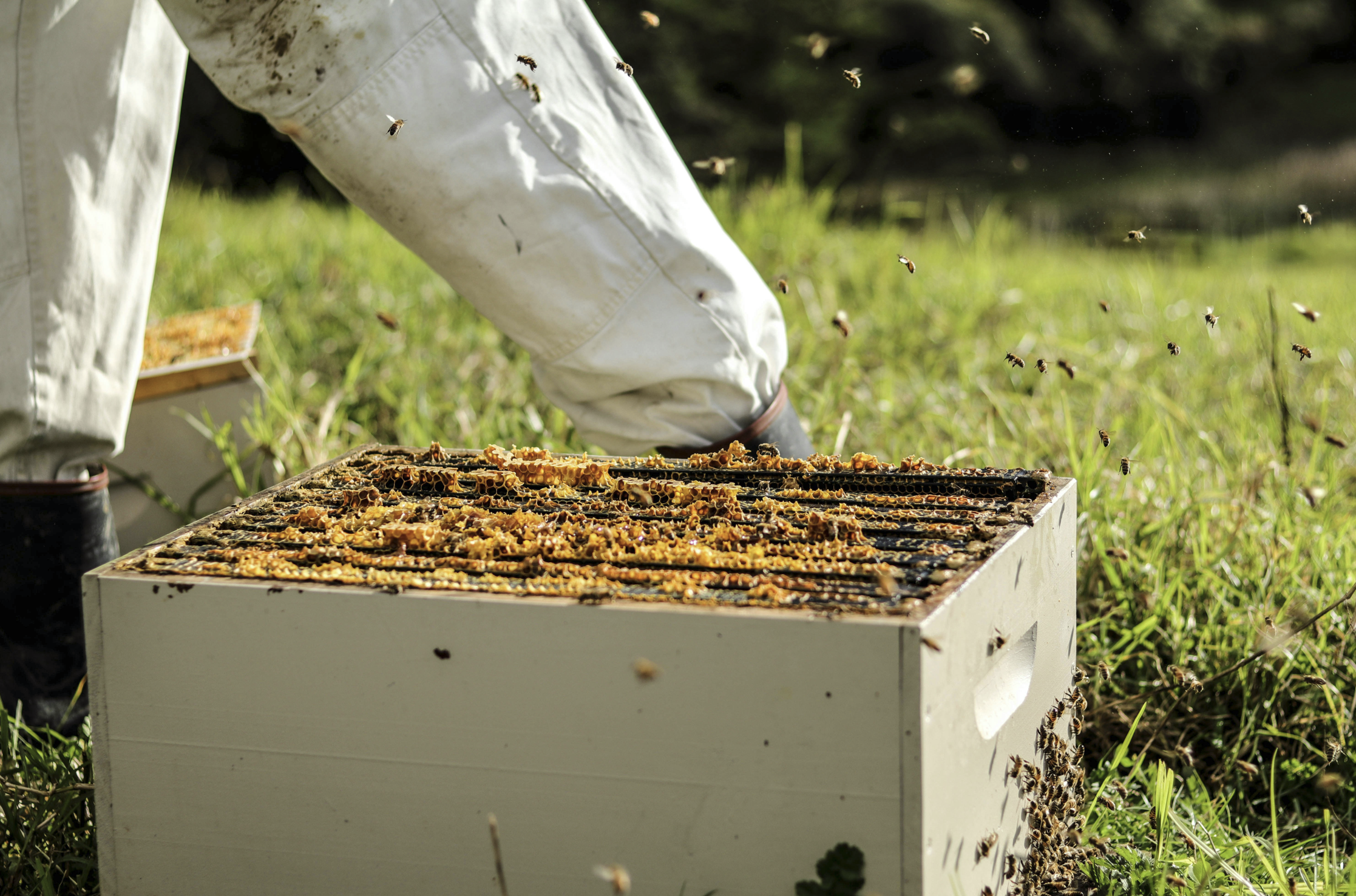
Honey bees are essential pollinators, but discovering a colony on your property can feel intimidating. The key is to act responsibly, protecting yourself while ensuring the bees are treated with care. With the right approach, you can manage the situation safely and even contribute to preserving these vital creatures.
Recognizing the Presence of a Honey Bee Colony
The first step is to determine whether you are dealing with honey bees or another type of stinging insect. Honey bees are small, golden-brown, and fuzzy, unlike wasps or hornets, which are sleeker and more aggressive. Colonies often form in sheltered spaces such as walls, attics, sheds, or hollow trees.
If you notice bees consistently flying in and out of one spot, it is likely a colony. Avoid disturbing the area, as sudden movements or loud noises can trigger defensive behavior. Careful observation from a safe distance is the best way to confirm their presence. Taking time to identify them correctly ensures you choose the right solution and avoid unnecessary harm.
Avoiding Risks of DIY Removal
Trying to remove a colony on your own can be hazardous. Honey bees will defend their hive if threatened, and multiple stings can cause serious health problems. Using sprays or chemicals may kill bees, but also damage your property and harm the environment. In many cases, DIY attempts leave behind honey and wax, which attract pests and create further issues.
Even if you succeed in removing some bees, the colony may rebuild quickly if the queen remains. Professional removal ensures the bees are handled humanely and your property remains secure. Choosing not to attempt DIY removal is one of the most important steps in protecting both yourself and the bees.
Contacting Professionals for Safe Assistance
The safest solution is to contact professionals who specialize in honey bee relocation or management. Beekeepers often welcome the opportunity to rescue and rehome colonies, as it helps sustain bee populations. Eco-conscious bee control companies can also provide safe removal without unnecessary harm.
When reaching out, describe where the colony is located and how long you have noticed activity. This information helps professionals prepare the right tools and protective gear for the job. By involving experts, you ensure that the bees are relocated properly and your property is restored without damage. Professional assistance is the bridge between safety and sustainability.
Understanding the Process of Honey Bee Relocation
Honey bee relocation is a humane method that transfers the colony to a new hive where it can thrive. Professionals carefully secure the queen first, since the rest of the colony will follow her. The bees are then moved to a safe environment, often benefiting local farms or gardens. This approach not only resolves the issue on your property but also supports pollination efforts in your community.
Honey bee relocation is the most responsible way to protect both your household and the bees. By choosing relocation over extermination, you contribute to the survival of a species that directly impacts food security and biodiversity.
Preventing Colonies From Returning
Once the colony has been removed, it is important to take preventive steps. Seal cracks, gaps, and hollow spaces in walls, roofs, and sheds to reduce the chances of bees settling again. Regular property maintenance helps discourage future colonies. If you enjoy gardening, consider planting bee-friendly flowers away from your home. This allows you to support pollination while keeping colonies at a safe distance.
Preventive measures are not just about avoiding inconvenience—they are about creating a safe coexistence between people and pollinators. With a few adjustments, you can enjoy the benefits of bees without the risks of another colony forming too close.
Supporting Harmony Between People and Honey Bees
Managing a honey bee colony responsibly is about balance. Bees are not pests but partners in sustaining life. By choosing safe, humane solutions, you protect yourself while contributing to the survival of an essential species.
With thoughtful action, you can turn a stressful situation into an opportunity to support nature and your community. Living in harmony with honey bees means respecting their role in the ecosystem while ensuring your property remains safe and comfortable.
Conclusion
Finding a honey bee colony on your property does not have to be alarming. With careful observation, professional help, and preventive measures, you can handle the situation safely and responsibly. Honey bee relocation ensures the colony continues to thrive while keeping your home secure. By acting wisely, you protect both your environment and the pollinators that make it flourish.
