


Introduction
In the growing world of health supplements, antioxidants have become essential for supporting immunity, skin health, and overall cellular protection. Among them, one compound has gained significant attention in New Zealand’s wellness market: natural astaxanthin nz vs Other Antioxidants: What Makes It Unique?
This powerful carotenoid is often compared with well-known antioxidants like vitamin C, vitamin E, and beta-carotene. However, natural astaxanthin stands out due to its structure, strength, and wide-ranging biological benefits. In this article, we explore how it differs from other antioxidants and why it is considered one of the most potent natural compounds available.
What Is Natural Astaxanthin?
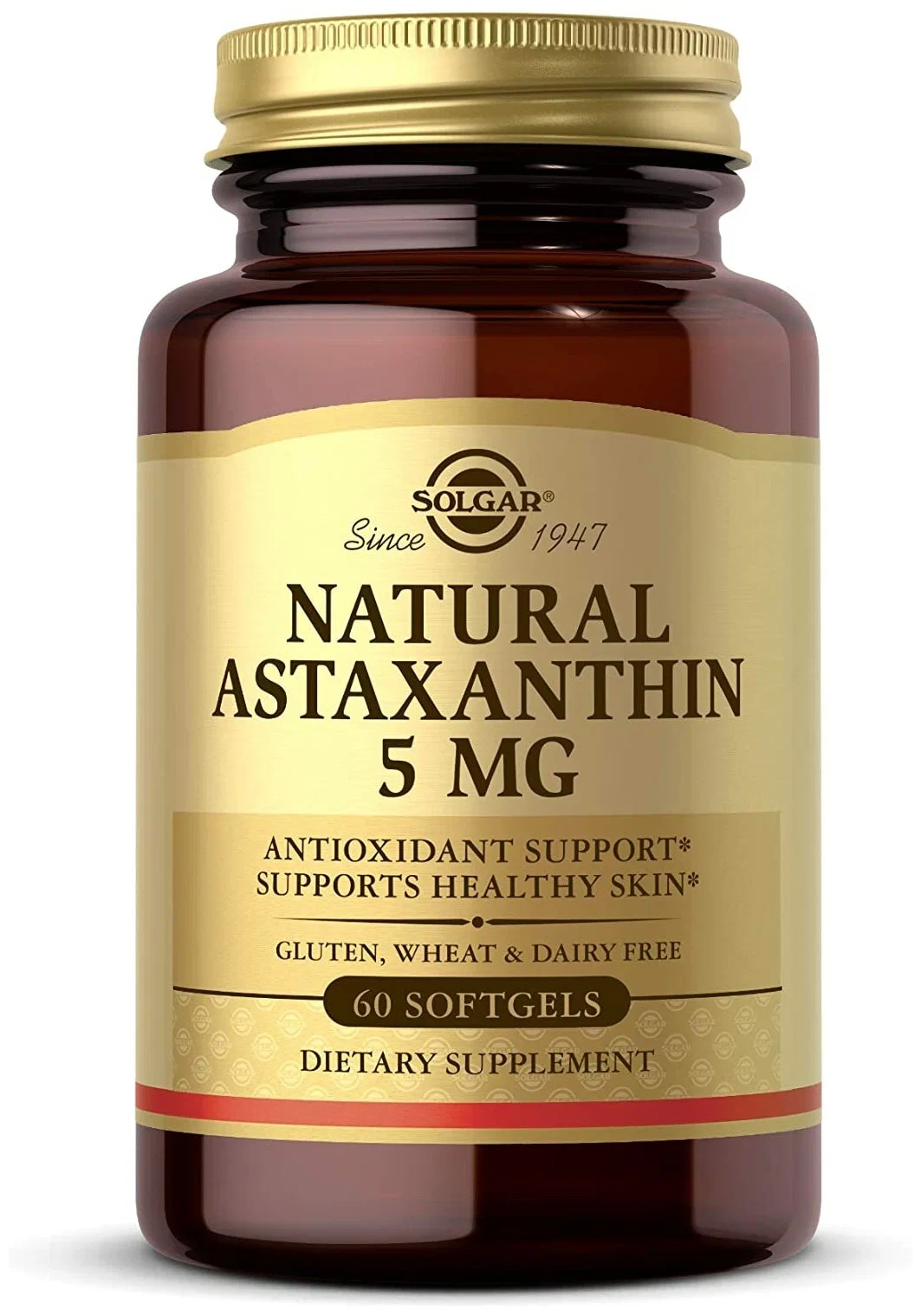
Astaxanthin is a red pigment found in microalgae, salmon, krill, and certain seafood. It belongs to the carotenoid family, but unlike many others, it does not convert into vitamin A in the body.
When discussing Natural Astaxanthin NZ vs Other Antioxidants: What Makes It Unique?, it is important to understand that “natural” astaxanthin is derived from Haematococcus pluvialis microalgae, which produces the highest-quality and most bioactive form.
Unlike synthetic versions, natural astaxanthin is more bioavailable and has stronger antioxidant activity, making it highly valued in supplements across New Zealand.
How Antioxidants Work in the Body
To understand the comparison in Natural Astaxanthin NZ vs Other Antioxidants: What Makes It Unique?, we first need to understand antioxidants in general.
Antioxidants help neutralize free radicals—unstable molecules that can damage cells and accelerate aging. Free radicals are produced through:
- Pollution exposure
- UV radiation
- Stress
- Poor diet
- Normal metabolic processes
Without enough antioxidants, oxidative stress increases, leading to inflammation, skin aging, fatigue, and long-term health issues.
Natural Astaxanthin vs Common Antioxidants
Vitamin C
Vitamin C is water-soluble and works primarily in the bloodstream. It is excellent for immune support and collagen production but has a short lifespan in the body.
Vitamin E
Vitamin E is fat-soluble and protects cell membranes from oxidative damage. However, it works in a limited environment compared to more advanced antioxidants.
Beta-Carotene
Beta-carotene converts into vitamin A and supports eye health, but its antioxidant capacity is relatively moderate.
Why Astaxanthin Is Different
When comparing Natural Astaxanthin NZ vs Other Antioxidants: What Makes It Unique?, astaxanthin clearly stands apart because it:
- Works in both water and fat environments
- Does not convert into harmful byproducts
- Crosses the blood-brain and blood-retina barriers
- Provides whole-body cellular protection
This makes it significantly more versatile than most traditional antioxidants.
The Unique Structure of Astaxanthin
One of the key reasons behind the superiority highlighted in Natural Astaxanthin NZ vs Other Antioxidants: What Makes It Unique? is its molecular structure.
Astaxanthin has a unique elongated shape that allows it to:
- Span the entire cell membrane
- Protect both inner and outer layers of cells
- Stabilize cells more effectively than other antioxidants
This structural advantage means it can provide protection at a deeper cellular level, something most antioxidants cannot achieve.
Health Benefits of Natural Astaxanthin
1. Powerful Anti-Aging Support
Astaxanthin helps reduce oxidative damage that contributes to wrinkles, fine lines, and skin aging. It also improves skin elasticity and hydration.
2. Eye Health Protection
It may reduce eye strain and support long-term vision health by protecting retinal cells from oxidative stress.
3. Brain and Cognitive Support
Because it can cross the blood-brain barrier, astaxanthin helps protect brain cells from inflammation and oxidative damage.
4. Muscle Recovery and Endurance
Athletes often use it to reduce exercise-induced fatigue and support faster recovery after workouts.
Why It Is Popular in New Zealand
Interest in supplements like Natural Astaxanthin NZ vs Other Antioxidants: What Makes It Unique? has grown significantly due to New Zealand’s focus on clean, natural health products.
Consumers in NZ often prefer:
- Marine-based supplements
- Sustainable sourcing
- Non-synthetic ingredients
- High-potency natural extracts
Astaxanthin fits these preferences perfectly, especially when derived from natural microalgae sources.
Bioavailability and Absorption Advantages
Another reason astaxanthin stands out is its absorption efficiency. Unlike many antioxidants that require high doses or specific conditions, astaxanthin is fat-soluble and absorbs effectively when taken with healthy fats.
Compared to vitamin C, which is quickly excreted, astaxanthin remains in the body longer, offering extended antioxidant protection.
This long-lasting effect reinforces why Natural Astaxanthin NZ vs Other Antioxidants: What Makes It Unique? is an important topic in modern nutrition.
Safety and Recommended Use
Natural astaxanthin is generally considered safe when taken at recommended doses. Most supplements range between 4 mg and 12 mg per day, depending on health goals.
However, as with any supplement, individuals should:
- Consult a healthcare professional if pregnant or breastfeeding
- Avoid exceeding recommended dosages
- Choose high-quality, certified natural sources
Conclusion
When comparing antioxidants, it becomes clear that astaxanthin is in a class of its own. Its unique molecular structure, ability to protect multiple systems in the body, and superior antioxidant strength make it stand out from traditional options like vitamin C and vitamin E.
In summary, Natural Astaxanthin NZ vs Other Antioxidants: What Makes It Unique? is not just a comparison—it highlights a shift toward more powerful, natural, and bioavailable health solutions. As research continues, astaxanthin is likely to remain one of the most valued antioxidants in modern nutrition.
